
Why direct mail marketing still works in 2026 (and how to scale your results)
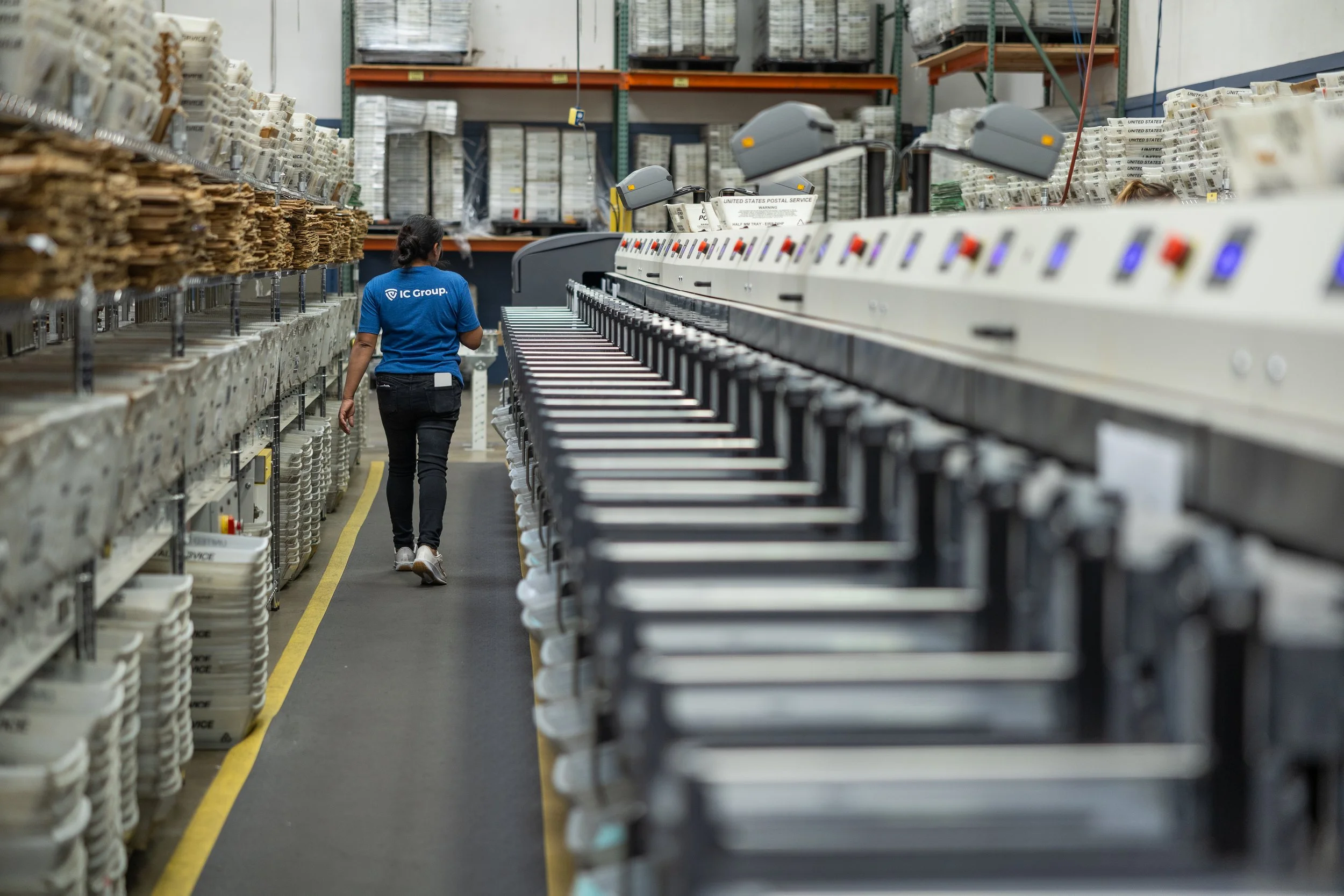
In 2026, direct mail marketing is a high-performance physical-digital hybrid channel that cuts through digital fatigue with a 90% open rate. By leveraging programmatic triggers, QR-driven AR experiences, and privacy-first data, direct mail delivers a tactile brand connection that digital ads alone cannot replicate.
Many people assume that physical mail is a relic of the past, but the data in 2026 tells a different story. As digital advertising costs skyrocket and "ad blindness" reaches an all-time high, direct mail has emerged as the premier way to capture undivided attention and build lasting brand trust.
This article explores the evolution of direct mail, its unique role in a "privacy-first" marketing world, and how your business can integrate it into a winning multichannel strategy.
What is direct mail marketing in 2026?
Direct mail marketing is a targeted physical advertising strategy where brands send tangible materials, such as postcards, dimensional mailers, or catalog-style self-mailers, directly to a prospect’s home or office.
In 2026, direct mail is no longer "junk mail." It is now known as programmatic direct mail. This means physical mail pieces are triggered by digital actions (such as an abandoned website cart) and personalized using high-speed variable data printing to create a 1-to-1 connection between brand and consumer.
Why does direct mail still work in a digital-first world?
1. It solves "digital overload"
The average professional in 2026 receives over 120 emails a day. In contrast, the physical mailbox is less crowded and carries a sense of importance. Direct mail exists in a "low-noise" environment, allowing your message to be processed without the distraction of a notification or a scroll.
2. The appeal to Gen Z and Alpha
Ironically, the most "online" generations, Gen Z and Gen Alpha, are the biggest fans of physical mail. For these digital natives, receiving a tactile, beautifully designed piece of mail is a novel and premium experience. When paired with sustainable, FSC-certified paper and eco-friendly inks, direct mail aligns perfectly with the values of the modern consumer.
3. It reaches B2B decision-makers behind the screen
B2B marketing has become increasingly difficult as remote work and sophisticated spam filters block digital outreach. A high-quality dimensional mailer (a 3D package) bypasses the digital gatekeeper and lands directly on an executive's desk, creating a physical "leave-behind" that keeps your brand top-of-mind during long sales cycles.
How does direct mail support better marketing ROI?
The most successful brands in 2026 don’t choose between digital and physical; they use a multichannel approach.
| Metric | Email marketing | Direct mail (2026) |
|---|---|---|
| Average open rate | 15-25% | 85-90% |
| Average lifespan | Seconds | 7-10 days (physical presence) |
| Tactile recall | Low | High (neuroscience-backed) |
| Key advantage | High volume / low cost | High intent / high trust |
The power of integration:
When a customer sees a social media ad and then receives a personalized postcard with a QR code two days later, the "conversion lift" is often 40% higher than digital-only campaigns. This physical-digital hybrid (or "phygital") bridge allows you to track a physical mailer's performance with the same precision as a digital click.
Leveraging data for hyper-personalization
Success in 2026 is driven by zero-party data (information customers share willingly). Direct mail works best when it is relevant, not random.
By segmenting your audience based on specific behaviors, such as recency and frequency of visits, interactions or purchases, you can send:
Reactivation campaigns: Targeted at customers who haven't purchased in 6 months.
Loyalty rewards: High-value "tactile invitations" for VIP shoppers.
Triggered mail: A postcard sent automatically when a user visits a specific landing page but doesn't convert.
6 Steps to a successful 2026 direct mail campaign
1. Use predictive analytics
Don't just guess who wants your product. Use customer data and market segmentation to identify the "lookalike audiences" most likely to respond to a physical offer.
2. Design for the senses
Digital ads are flat. Your mail should not be. Incorporate specialty finishes such as:
Soft-touch lamination for a premium feel.
Embossing or foil to catch the light.
Scented inks (sensory marketing) to trigger memory, such as a popcorn scented varnish for a movie theater.
3. The "scannable" call to action
Every piece of mail should have a digital destination. Use QR codes or personalized URLs (pURLs) that lead to a custom landing page or an augmented reality (AR) experience where the product "pops up" on the user's phone.
4. Optimize for sustainability
In 2026, "green mail" is the only mail. Ensure your campaigns use recycled materials and highlight your commitment to carbon-neutral delivery to build brand authority with eco-conscious audiences.
5. Multi-touch timing
Direct mail is rarely a one-and-done event. It should be part of a sequence:
Awareness: Digital ad
Engagement: Direct mail postcard
Conversion: Follow-up email
6. Measure and attribute
Use dedicated promo codes and scan-tracking to see exactly which households converted. This data allows you to refine your "cost per acquisition" (CPA) and prove the value of your spend.
Key takeaways for 2026
Direct mail is a trust-builder: It provides a physical weight to your brand that pixels cannot match.
It is highly technical: From QR codes to programmatic triggers, it is a data-driven channel.
Personalization and relevance is mandatory: 1-to-1 messaging that is relevant to each recipient is the standard for 2026.
It’s a digital multiplier: Use it to boost the performance of your existing online ads.
Final thoughts
Direct mail has evolved from a traditional medium into a sophisticated, measurable power tool for modern marketers. By combining creative design with data-driven targeting, you ensure your message doesn't just reach an inbox; it reaches a home.
At IC Group, we specialize in bridging the gap between digital strategy and physical impact. We help you design, target, and execute direct mail campaigns that deliver measurable ROI in the competitive 2026 landscape.
Ready to make a tangible impact? Let’s build your next campaign together.
